When the fall season arrives on Long Island, most homeowners start thinking about heating season just around the corner. For many residents of Freeport, that means firing up oil heating systems that have sat idle since spring. Before you do, take a moment to consider your chimney damper. If your home was built decades ago, your damper is likely a throat damper, the traditional kind that sits just above your firebox. These dampers were designed to seal the flue from inside the fireplace, but they often fail to create an airtight closure. Over time, metal warps, handles break, and gaps develop. The result is your heated air escaping up the chimney even when the fireplace sits cold and unused.
The geography of Freeport creates unique heating challenges for homeowners. Located near Long Island Sound and the surrounding Nassau County bay areas, Freeport experiences coastal weather patterns that bring moisture, salt air, and temperature swings. These conditions accelerate damper corrosion and warping. When a traditional throat damper deteriorates, warm air from your home's heating system rises naturally and drafts directly out through your chimney flue. This means your furnace works harder, cycles more frequently, and your energy bills climb. For homes in Freeport heated with oil, this inefficiency adds up quickly over an entire winter season.
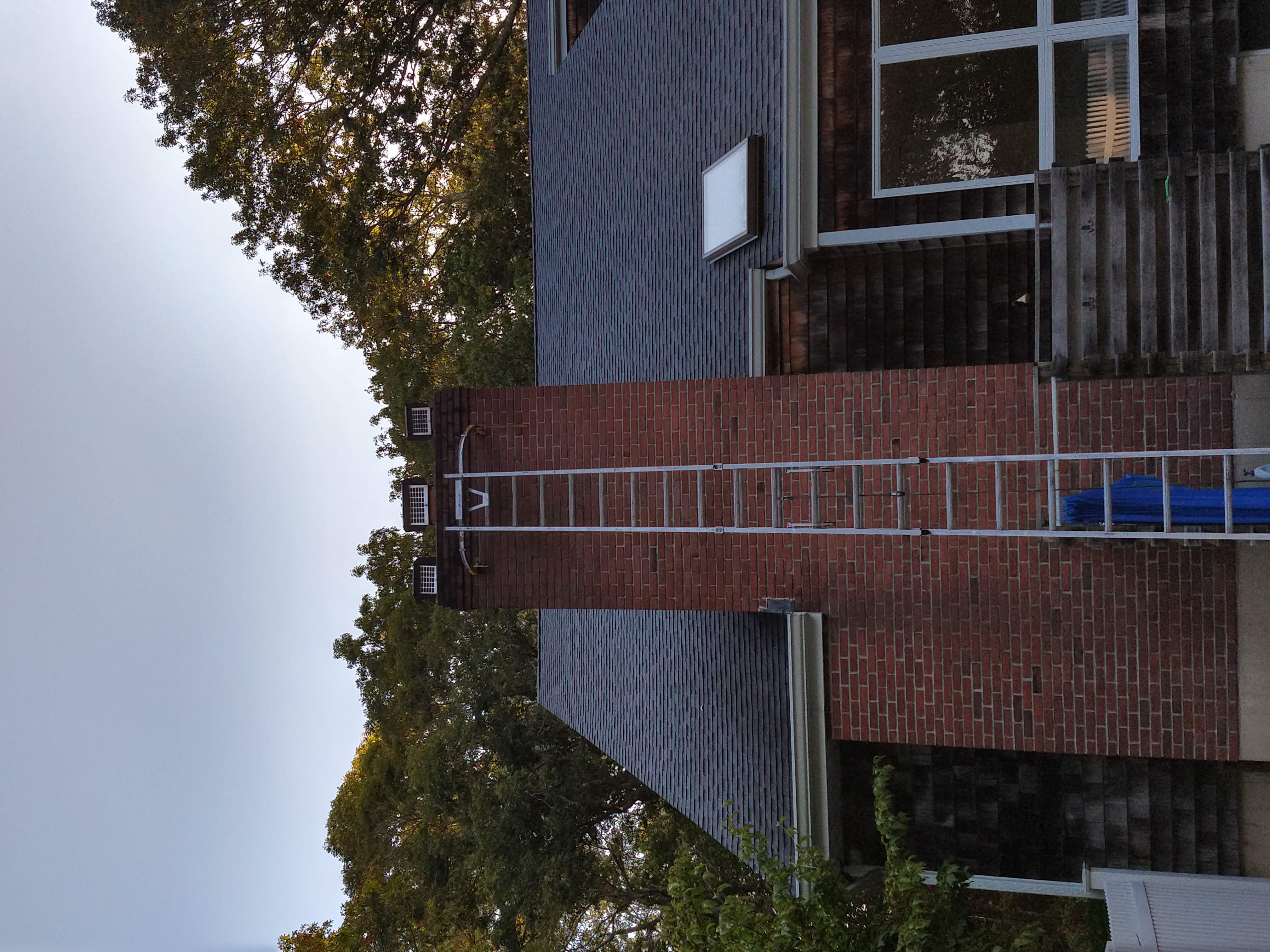
Top-sealing dampers solve this problem by moving the closure point to the very top of your chimney. Instead of trying to seal from inside the firebox, a top-sealing damper sits right at the flue opening where your chimney terminates. This positioning creates a weather-tight seal that's visible and verifiable from below. The mechanism typically uses a stainless steel spring and cable system that opens when you use your fireplace and closes tightly when you don't. Homes in Freeport benefit immediately from reduced drafts and lower heating costs. Many homeowners report feeling less cold air movement near their fireplaces within days of installation.
Energy efficiency becomes especially important as heating season approaches and Freeport residents prepare for months of higher utility bills. A throat damper that doesn't seal properly can account for significant heat loss, sometimes equivalent to leaving a window cracked open all winter long. Your furnace must compensate for this continuous air escape, running more cycles and consuming more fuel oil. Top-sealing dampers eliminate this waste. They're designed to seal completely when closed, stopping heated air from exiting through your chimney. For Freeport homeowners, this translates to measurable savings on heating bills while maintaining the comfort level your home deserves during cold months.
Installation of a top-sealing damper doesn't require major reconstruction or disruption to your home. A technician accesses your chimney roof safely and installs the damper around your existing flue. The cable runs inside your chimney, connecting to a handle or lever at your fireplace. Operation is straightforward: pull the handle to open the damper when using your fireplace, release it to close when you're finished. Many Freeport residents appreciate the simplicity and reliability of this design. Unlike throat dampers that stick or jam from rust and corrosion, top-sealing dampers function smoothly year after year. The materials resist salt air corrosion common on Long Island, and the mechanical operation requires minimal maintenance.
The contrast between damper types becomes obvious when you understand how each one works during your heating season. A traditional throat damper relies on a metal plate that slides or hinges to seal the flue opening. Over time, the frame warps, the seal develops gaps, and air leaks around the edges. Freeport homeowners with older homes frequently discover their throat dampers no longer close properly. They may still open and close, but the seal is compromised. In contrast, a top-sealing damper creates an overlapping, compressive seal. When closed, the rubber gasket or metal-to-metal seal at the damper head makes full contact with your flue opening. No gaps, no leaks, no air escape. This design performs especially well in the damp, salt-laden environment near Long Island Sound that many Freeport residents experience.
Draft problems often plague homes with failing dampers, and Freeport homeowners shouldn't ignore these warning signs. You might notice cold air flowing down your chimney, especially on windy days or when your furnace operates. You may feel drafts near your fireplace even when it's not in use. Some residents report odd whistling or howling sounds from the chimney during certain wind conditions. These symptoms all point to a damper that's no longer sealing effectively. Before winter weather settles in, addressing a problematic damper prevents these issues from worsening. As temperatures drop and wind patterns change across Long Island, a poor damper seal becomes increasingly noticeable and costly.
Beyond the immediate benefits of reduced drafts and lower heating costs, a functioning top-sealing damper protects your home in other ways. By preventing warm, moist air from escaping up the chimney, you reduce condensation and moisture issues inside the flue. This helps protect the internal chimney structure from freeze-thaw damage, particularly important during Freeport's cold winters. Moisture that would otherwise condense inside your chimney and cause deterioration stays inside your home where your heating system intended it. Additionally, when you're not using your fireplace, a sealed damper prevents rain and debris from entering your chimney, and it stops birds and animals from accessing the flue. For Freeport residents, these secondary benefits add real value to the investment.
Our service area covers all of Freeport and the neighboring communities. Homeowners across Freeport have relied on DME Maintenance, a local Long Island-based chimney company, for annual chimney service for over two decades.
Timing your damper replacement matters, especially as fall transitions into heating season. Many Freeport homeowners wait until their first cold snap to address chimney issues, but by then, heating season is in full swing and your furnace is already wasting energy. Replacing your damper now, before you depend heavily on your heating system, ensures you capture maximum efficiency benefit throughout the winter months. You'll feel the difference immediately in comfort and notice the difference on your heating bills when spring arrives. DME Maintenance has served the Long Island community since 2001, and we've helped countless Freeport homeowners upgrade from old, leaky throat dampers to modern, efficient top-sealing systems.
If you're a Freeport resident with an older home and questions about your chimney damper, contact DME Maintenance today. Douglas Eberling and our licensed team bring over two decades of experience to every project. We'll inspect your current damper, explain your options, and help you choose the solution that fits your home's needs. Call us at 516-690-7471 to schedule your fall inspection before heating season demands peak performance from your furnace. Don't let a failing damper waste your money and comfort all winter long. Reach out now and join the many Freeport homeowners who've already made the switch to better draft control and lower energy costs.